

You can’t outperform your foundation
One of the most common mistakes I see in rehabilitation is trying to progress athletes toward sport before they've rebuilt the physical foundation required to tolerate it. Everyone wants to get back to running, cutting, jumping, competing, and practicing. Athletes want it. Coaches want it. Sometimes clinicians want it too. The problem is that sport doesn't care what stage of rehabilitation you're in.
The demands of competition remain the same whether you're six months removed from surgery or six years.
If an athlete lacks the physical capacity to tolerate those demands, eventually the system breaks down. That's why every successful return-to-performance process starts with a foundation.
The foundation is physical capacity.

Can the athlete produce force?
Can they absorb force?
Can they handle the conditioning demands of live play?
Can they repeat those efforts?
Can they tolerate training volumes without excessive symptoms?
Can they demonstrate the injury-specific qualities required for their sport?
These questions matter just as much as the latest exercise progression or return-to-sport test battery. In rehabilitation, for example, we often focus on visible milestones. The first jog. The first jump. The first practice. The first game.
But those milestones can create the illusion of readiness.
An athlete may be capable of performing a task once while still lacking the underlying capacity to perform it repeatedly under fatigue, under pressure, and within the chaos of competition.
That's where rehabilitation often becomes misunderstood.
The goal is not simply to restore movement. The goal is to build the physical qualities that allow movement to be expressed repeatedly and reliably.
This requires more than passing a test. Strength matters. Power matters. Energy system robustness matters. Movement quality matters. Tissue capacity matters. The exact priorities will vary by injury and sport, but the principle remains the same.
Athletes cannot consistently express performance qualities that exceed the foundation beneath them. A basketball player with inadequate lower-extremity force production will struggle to repeatedly accelerate, decelerate, and create separation. A player lacking energy system capacity may appear physically recovered but fail to tolerate the demands of practice density and game schedules. A player who has regained strength but not confidence may possess the physical tools without the ability to fully utilize them.
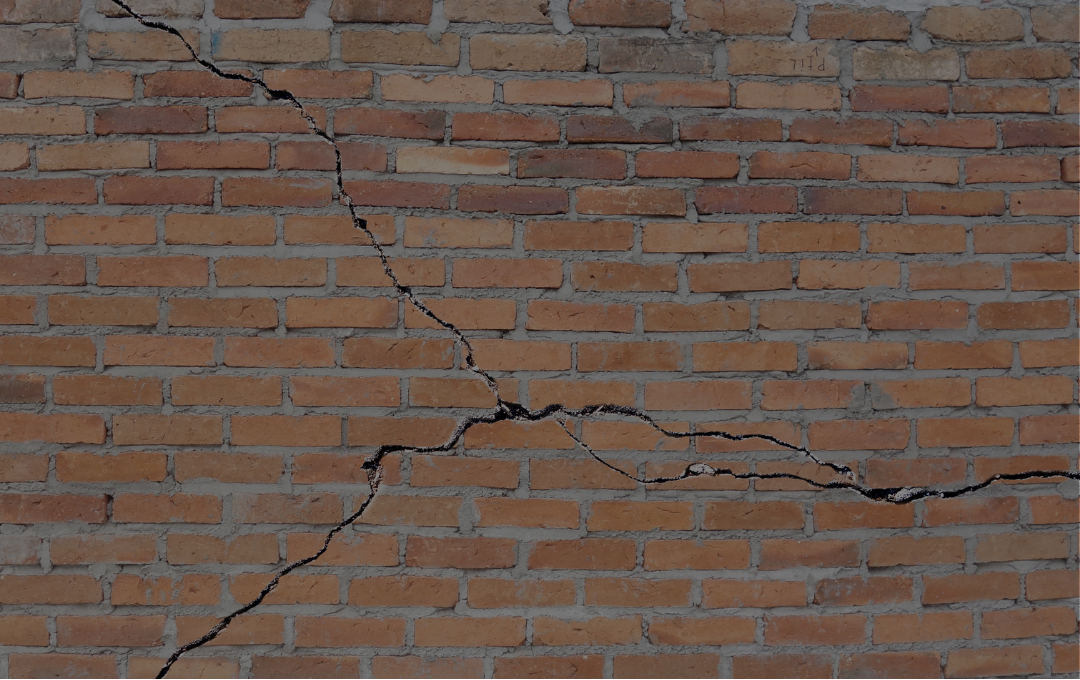
Each represents a crack in the foundation.
Too often, rehabilitation becomes focused on timelines rather than capacity development.
The question becomes:
"How many months post-op are they?"
Instead of:
"What are they physically capable of doing?"
Those are very different conversations. The strongest return-to-performance programs I have been around focus relentlessly on building capacity before chasing complexity. Because complexity without capacity is fragile.
Fragile systems eventually get exposed.
You cannot out-play a weak foundation.
You certainly cannot out-perform a weak foundation.
Before athletes return to meaningful performance, they first need a foundation capable of supporting it. Everything else is built on top of that.
In Part 2, we'll discuss what happens once that foundation exists and why the progression itself—the ramp between rehabilitation and competition—may be just as important as the foundation underneath it.
TOMMY OTLEYPhysical therapist, sport scientist, educator, and researcher working at the intersection of rehabilitation and performance.
READ MORE

Returning to competition is an important milestone, but it does not mean performance has been restored. This edition of The Film Room explores the gap between return and performance, why performance requires an outcome, and how role, opportunity, and context complicate what “back” really means. If we say an athlete has returned to performance, we have to be able to show it.