

Breaking Down Rehabilitation + Performance
In high-performance sport, there’s no shortage of information. Teams collect more data than ever, athletes have access to endless training resources, and rehabilitation protocols continue to evolve. Yet despite all of that, one question still sits in the background:

Why do some athletes return and immediately impact competition again while others never quite regain the same level?
That question has shaped much of my thinking over the past several years.
Working across rehabilitation, performance testing, athlete monitoring, and interdisciplinary decision-making has given me a front row seat to how complex performance really is. Rarely is it explained by a single test, metric, or intervention. More often, it’s the interaction between physical capacity, sport demands, confidence, opportunity, communication, timing, and context.
Welcome To The Film Room
This site is a space to explore those ideas and The Film Room blog is where we’ll dissect the Xs and Os behind how to tackle the problems you’re facing. From navigating the gap between medical clearance and meaningful contribution, to balancing workload, recovery, athlete confidence, and competitive demands, many of the biggest challenges in sport exist in the gray areas between disciplines. My goal is to break down those complex problems into practical conversations that help clinicians, coaches, and performance staffs make better decisions in real-world environments.
Some posts will focus on research and return-to-performance concepts. Others will look at practical applications in team sport, athlete development, load tracking, force plate insights, other training/testing tips, and the challenges of translating performance science into real-world environments.
My hope is that these conversations help bridge the gap between theory and practice, and encourage people in sport to think a little deeper about what performance truly means.
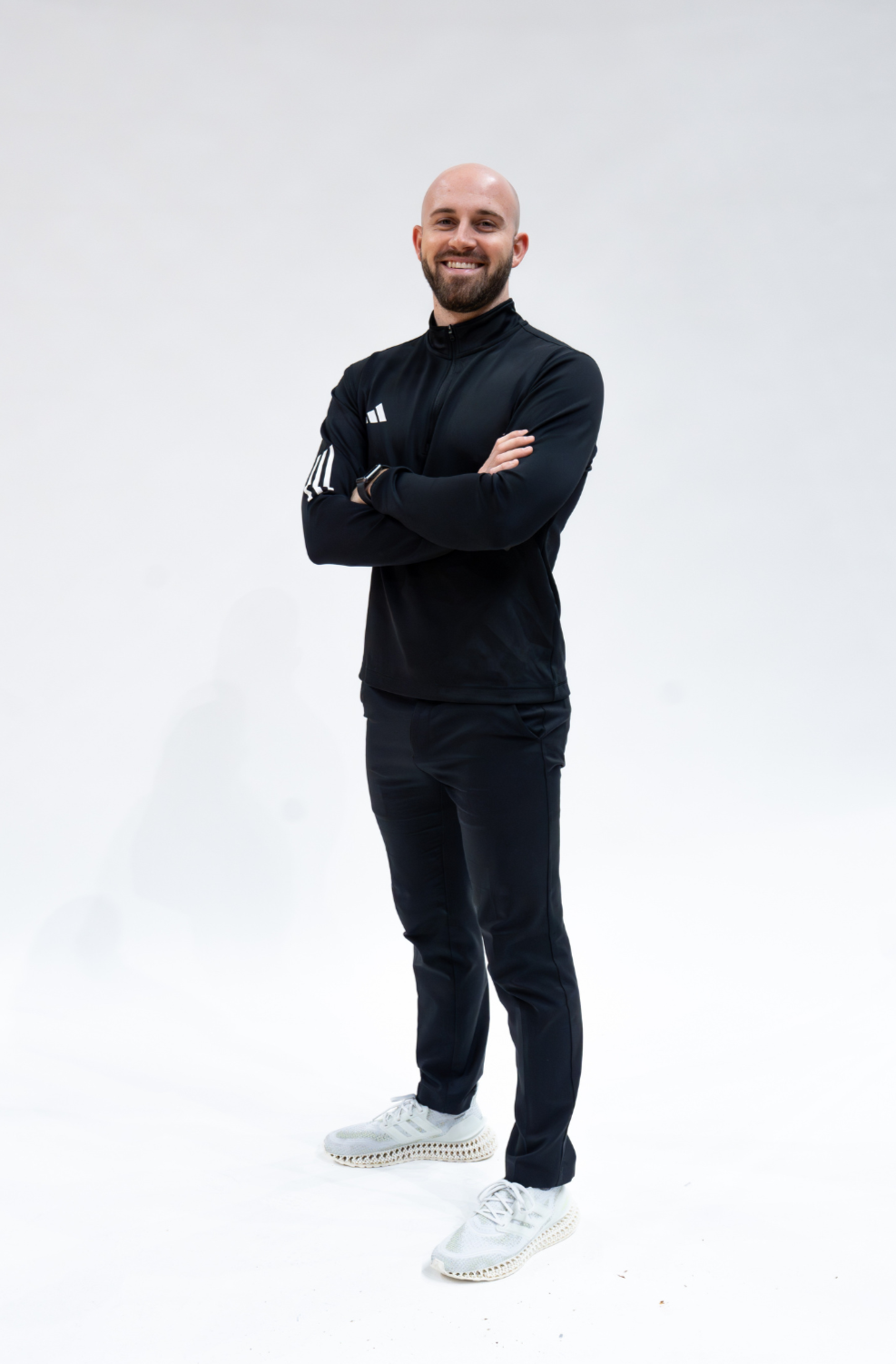
A Brief Introduction
For those who may not know me, my name is Tommy Otley. I currently work within Division I basketball as a physical therapist and sport scientist with University of Miami Basketball while also completing my PhD at the University of Miami, where my research centers around return to performance after injury.
My journey into sports performance and rehabilitation began as a collegiate athlete. Part of my perspective on return to performance also comes from my experiences as an athlete. I understand firsthand what it feels like to work through the process of rebuilding performance after setbacks — not just physically, but mentally and competitively as well. Going through that process myself gave me an appreciation for the uncertainty, frustration, and patience that often come with returning to high-level sport. It also shaped the way I approach working with athletes today: understanding that performance restoration is rarely just about clearing milestones, but about helping someone regain confidence, identity, rhythm, and the ability to compete freely again.
That perspective continues to evolve as I still actively compete as a modern pentathlete. Training and competing while working in high-performance sport and pursuing research keeps me connected to the athlete experience in a very real way — the balancing of performance, fatigue, adaptation, injury management, and the constant process of trying to improve. I think that ongoing connection to competition helps shape both the way I think and the way I work with others.
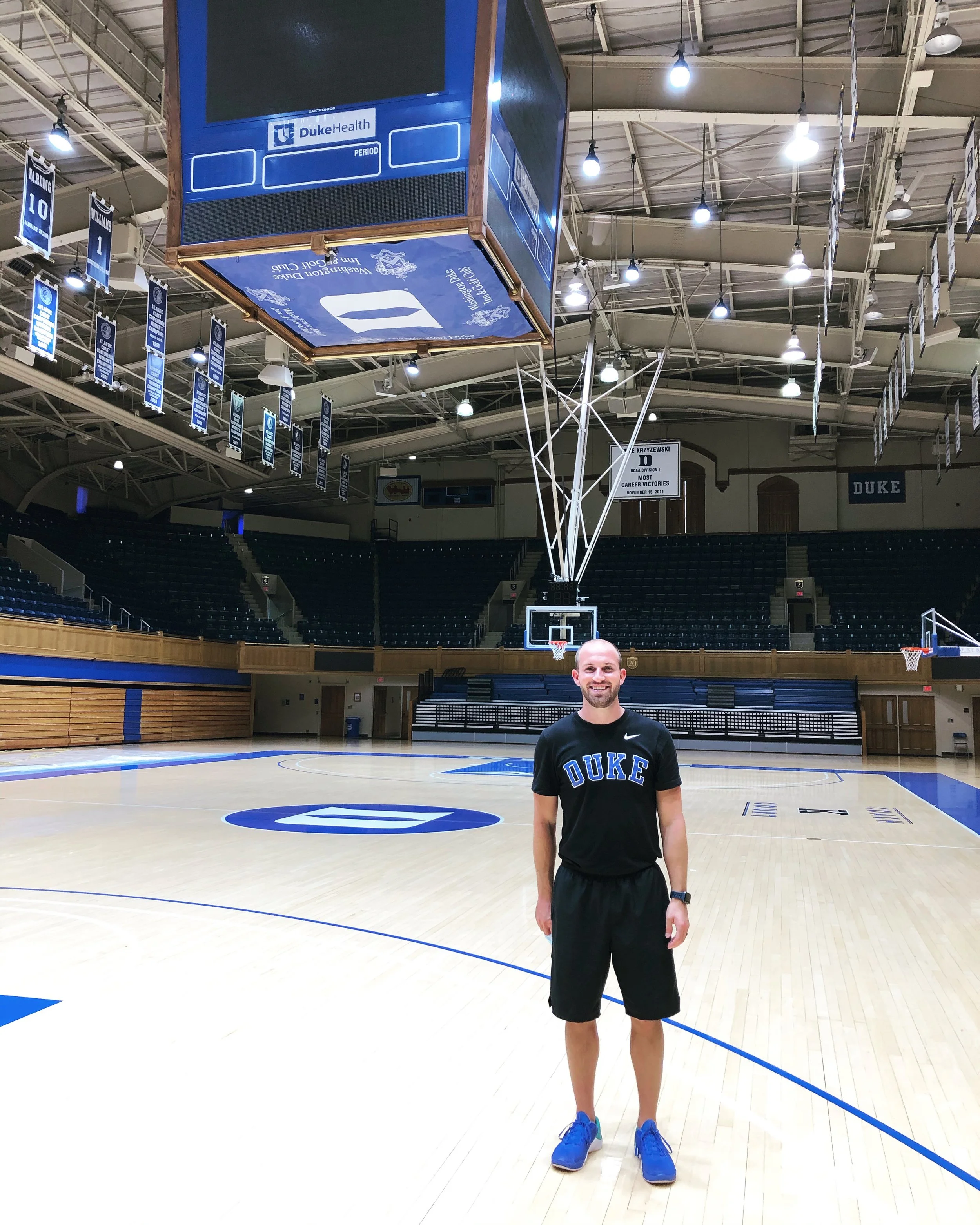
Before my move to the U, I spent several years building my foundation through clinical training, sports medicine, and strength and conditioning environments that shaped the way I think about performance today. Through some amazing mentorship in PT school I found myself in the training room and performance environments early working with some elite performance and combine prep centers in ATL. This changed the trajectory of my path and opened up opportunities to complete a sports residency and Division I fellowship at Duke University. While at Duke, I learned from experienced clinicians, coaches, and performance staffs operating at the highest levels of collegiate sport and elite basketball. Those experiences exposed me not only to expert mentorship in rehabilitation, but also to the day-to-day demands, communication, and decision-making required inside high-performance basketball environments ultimately pushing me toward a deeper interest in performance science and return to performance.
Over the following years at the University of Miami, I’ve had the opportunity to work and learn alongside top notch athletes, coaches, performance staffs, and clinicians in high-performance environments. I am excited to bring what I’ve learned to you.
I’ve always been someone who enjoys learning, asking questions, and trying to connect ideas across different areas of performance. If there’s one thing people who have worked with me would probably say, it’s that I genuinely care about the process…building relationships, solving problems, and helping athletes and staffs navigate the complexity that comes with high-performance sport.
This platform is something I hope to grow into a space for sharing ideas, practical lessons, research insights, and honest discussion around rehabilitation and performance in sport. Whether you’re a clinician, coach, sport scientist, student, athlete, or simply someone interested in performance, I hope you find something here that challenges your thinking and helps you in your own environment. Join me in the film room!
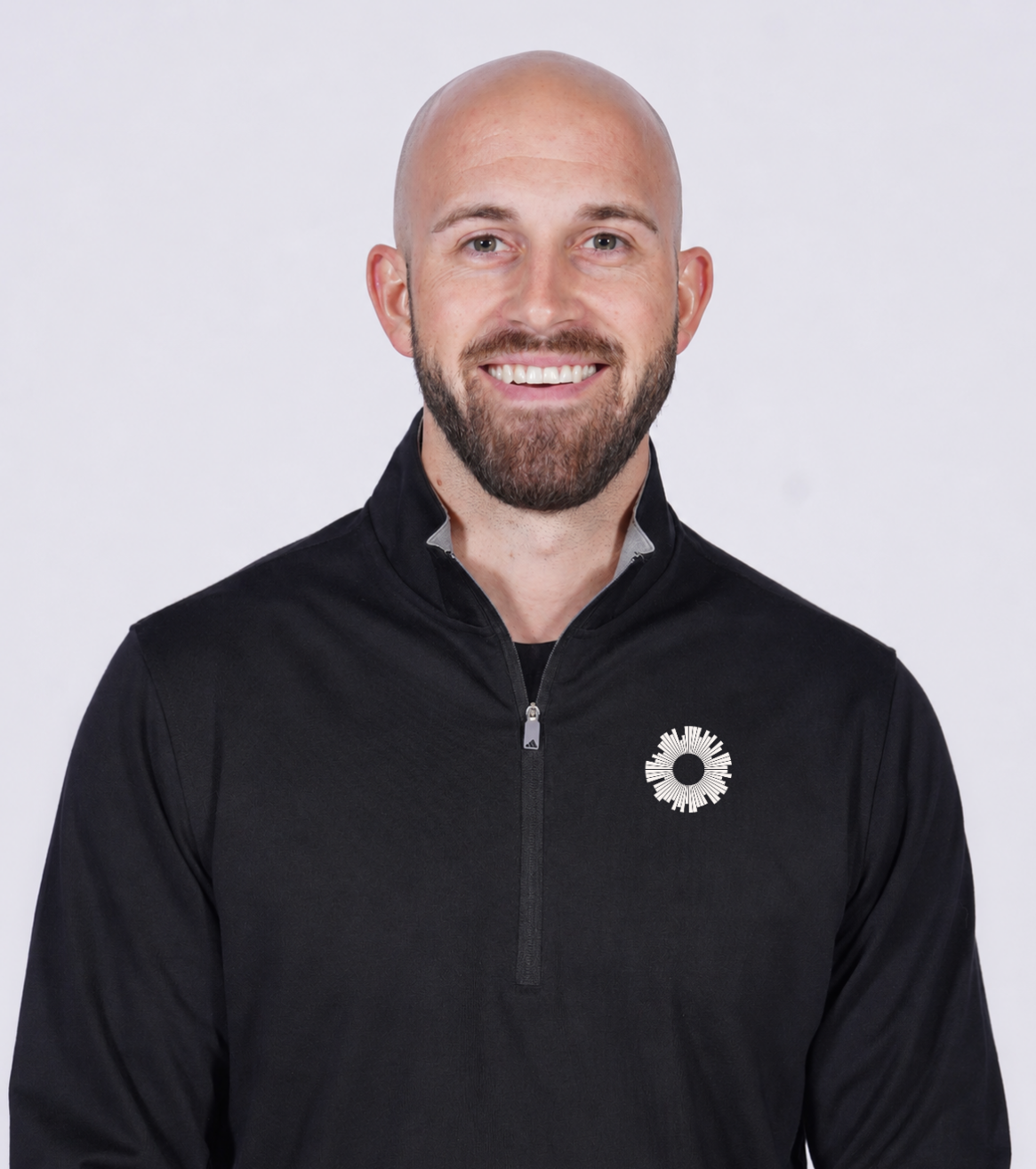
TOMMY OTLEYPhysical therapist, sport scientist, educator, and researcher working at the intersection of rehabilitation and performance.
READ MORE

Returning to competition is an important milestone, but it does not mean performance has been restored. This edition of The Film Room explores the gap between return and performance, why performance requires an outcome, and how role, opportunity, and context complicate what “back” really means. If we say an athlete has returned to performance, we have to be able to show it.